
Look Younger, Naturally: Skin Care, Hair Care, Herbal Oils & Nutrition for Healthy Aging
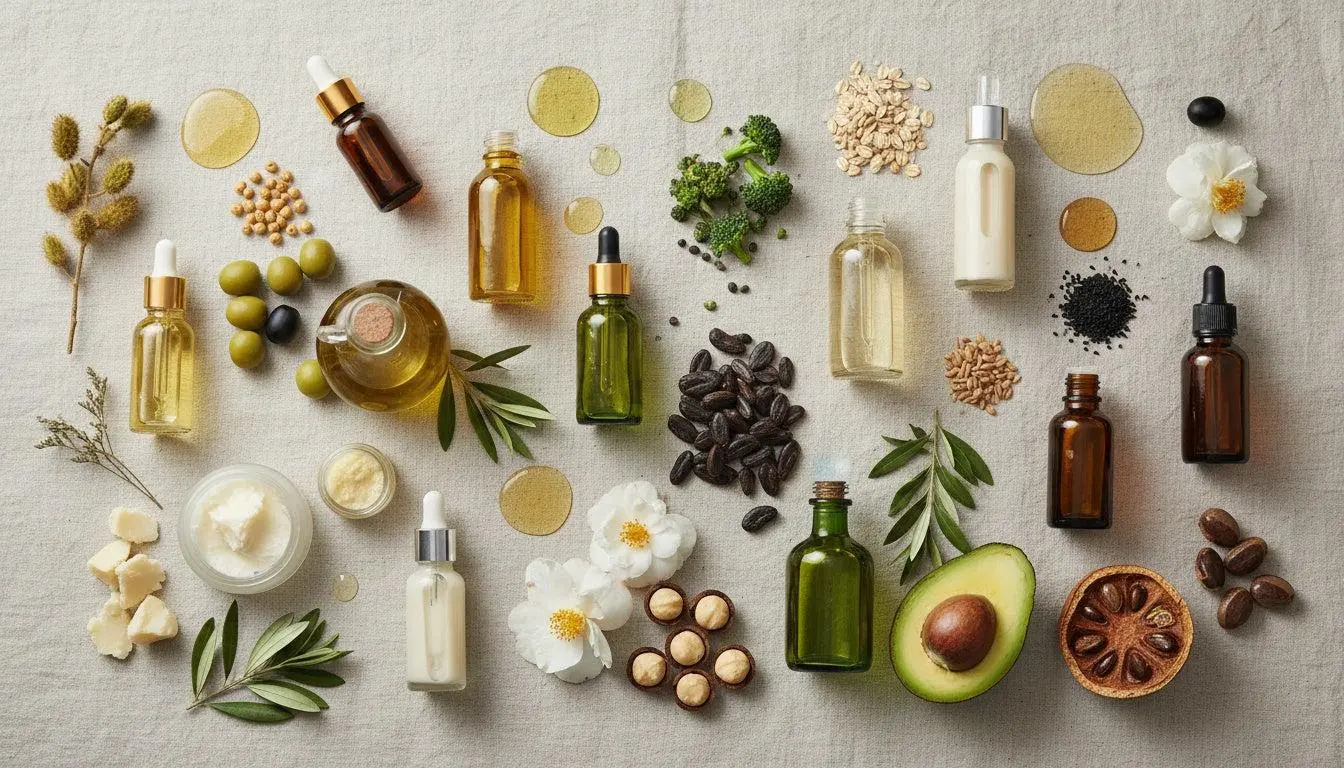
Discover how traditional beauty rituals, nourishing foods, botanical oils, and simple everyday habits can support healthy-looking skin and hair at every age.
By Komala Thimmappa
Founder, Beyond AI Space
What if the secret to looking vibrant and feeling beautiful was not found in an expensive beauty product, but in the way we care for ourselves every day?
Across generations and cultures, people have used plant oils, herbs, nutritious foods, and personal-care rituals to nourish their skin and hair.
From coconut oil in South Asian hair-care traditions to olive oil in Mediterranean cultures, botanical ingredients have long been part of beauty routines.
Modern dermatology and nutritional science now help us understand which of these practices may be beneficial, which remain uncertain, and which require caution.
At Beyond AI Space, we believe that healthy aging is not about fighting every sign of time.
It is about caring for our bodies, preserving healthy habits, and appreciating natural beauty at every stage of life.
1. Understanding Why Skin and Hair Change with Age
Our skin is the body’s largest organ. It protects us from the environment, helps regulate temperature, and provides sensory information.
As we age, changes occur in collagen, elastin, skin hydration, pigmentation, and the skin barrier.
Sun exposure, smoking, sleep, genetics, nutrition, and other factors also influence how skin ages.
Hair changes too.
Hair follicles may produce finer strands, hair pigmentation may decrease, and some people experience thinning or increased shedding.
Hormonal changes, inherited conditions, nutritional deficiencies, and medical problems can contribute to hair loss.
Although we cannot stop biological aging, appropriate skin care and healthy lifestyle habits can support skin function and hair health.
2. Natural Oils for Healthy-Looking Skin
Plant oils contain different combinations of fatty acids and other compounds.
Some can help soften the skin and reduce moisture loss. However, not every oil is suitable for every skin type.
Jojoba Oil
Jojoba oil is actually a liquid wax derived from the seeds of the jojoba plant.
It is widely used in moisturizers and cosmetic formulations because of its skin-conditioning properties.
How to use: Apply a small amount of a well-formulated jojoba-containing moisturizer or oil to intact skin after cleansing.
Important: Individual responses vary. Patch-test first, particularly if your skin is sensitive.
Coconut Oil
Coconut oil has a long history of use in South Asian skin and hair care.
Some research suggests that virgin coconut oil may help moisturize dry skin.
However, it can be too heavy for certain facial skin types and may contribute to clogged pores in acne-prone individuals.
How to use: Consider it for dry areas of the body if your skin tolerates it.
Important: Coconut oil is not a substitute for sunscreen.
Argan Oil
Argan oil, traditionally associated with Morocco, contains fatty acids and vitamin E compounds.
It is used in many cosmetic products for its conditioning properties.
How to use: Apply a small amount to dry skin or use a moisturizer formulated with argan oil.
Important: Evidence for dramatic wrinkle reversal or collagen restoration from topical argan oil is limited.
Rosehip Seed Oil
Rosehip seed oil is used in skin-care formulations and contains fatty acids that can support emollient properties.
It is often marketed for uneven tone and aging skin.
However, robust clinical evidence for reversing wrinkles, scars, or pigmentation is limited.
How to use: Patch-test a small amount before adding it to your routine.
3. Traditional Herbal Ingredients for Skin Care
Aloe Vera
Aloe vera has been used in traditional skin-care practices and is commonly included in soothing cosmetic formulations.
Some people find aloe-containing products pleasant on dry or irritated skin.
However, aloe is not a proven treatment for all skin conditions.
Choose a reputable topical formulation and discontinue use if irritation occurs.
Turmeric
Turmeric is familiar in Indian culinary and traditional wellness practices.
Its compounds, particularly curcumin, have attracted scientific interest.
But research involving purified curcumin does not prove that homemade turmeric face masks prevent wrinkles or treat skin disorders.
Turmeric can also stain skin and fabrics, and homemade preparations may irritate sensitive skin.
Green Tea
Green tea contains polyphenols that have been studied for their biological effects.
Some cosmetic products include green tea extracts, but evidence for specific anti-aging outcomes remains variable.
Drinking unsweetened green tea can be part of a balanced diet if you tolerate caffeine.
Concentrated green tea extract supplements have different safety considerations and should not be treated as equivalent to drinking tea.
4. Natural Oils for Hair Care
Hair health depends on genetics, scalp condition, nutrition, hair-care practices, and overall health.
Oils can improve the feel and appearance of hair, but that does not necessarily mean they stimulate new growth.
Coconut Oil for Hair
A frequently cited study found that coconut oil reduced protein loss from hair compared with mineral oil and sunflower oil under the tested conditions.
This suggests a possible role in protecting the hair shaft from certain forms of damage.
How to use: Apply a small amount to the lengths and ends before washing, then shampoo thoroughly.
People with fine hair or sensitive scalps may prefer lighter products.
Rosemary Oil
Rosemary essential oil has become popular in discussions about hair growth.
A small 2015 randomized trial compared a rosemary oil preparation with 2% minoxidil in people with androgenetic alopecia.
Both groups showed an increase in hair count at six months, with no statistically significant difference between the groups in that trial.
However, this single small study does not establish that rosemary oil is equivalent to minoxidil or reliably treats hair loss.
Safety: Essential oils should not be applied undiluted to the scalp. They can cause irritation or allergic contact dermatitis. Avoid using them near the eyes.
Argan Oil for Hair
Argan oil is commonly used in conditioners and hair serums.
It can help hair feel smoother and reduce the appearance of dryness and frizz.
However, there is insufficient clinical evidence that argan oil stimulates hair follicles or reverses genetic hair loss.
Amla and Bhringraj
Amla and bhringraj have long histories in Ayurvedic-inspired hair-care traditions.
They are found in oils, powders, and shampoos.
Laboratory and preliminary studies have explored their potential biological effects, but high-quality human clinical evidence for hair regrowth remains limited.
They can be appreciated as traditional cosmetic ingredients without promising medically proven hair restoration.
5. Foods That Support Skin and Hair Health
Healthy-looking skin and hair depend partly on adequate nutrition.
Instead of searching for one miracle food, focus on a varied eating pattern.
Protein: Building Blocks for the Body
Hair is composed largely of keratin, a structural protein.
Protein also contributes to tissue maintenance and repair.
Food sources: Lentils, beans, tofu, yogurt, eggs, fish, poultry, and other protein-rich foods.
Vitamin C: Supporting Normal Collagen Formation
Vitamin C is needed for normal collagen synthesis.
Food sources: Citrus fruits, guava, kiwi, strawberries, broccoli, and bell peppers.
Healthy Fats: Supporting General Nutrition
Essential fatty acids are important for normal body function.
Food sources: Walnuts, chia seeds, flaxseeds, and fatty fish.
Iron and Zinc: Important Nutrients
Iron and zinc deficiencies can contribute to some forms of hair loss.
Food sources: Beans, lentils, nuts, seeds, meat, seafood, and fortified foods.
Supplementation is most appropriate when a deficiency or another clinical indication has been identified.
Colorful Fruits and Vegetables
Vegetables and fruits provide vitamins, minerals, fiber, and a variety of plant compounds.
A colorful diet supports general health, but no specific fruit has been proven to erase wrinkles or reverse aging.
6. A Simple Skin-and-Hair Nourishment Meal
Colorful Beauty Bowl
Ingredients
A serving of cooked lentils or chickpeas
A handful of leafy greens
Chopped bell peppers
Tomatoes
Avocado
A small portion of pumpkin seeds
Cooked quinoa or brown rice
Olive oil and lemon juice for dressing
Preparation
Combine the ingredients in a bowl and toss gently with the dressing.
This meal offers protein, fiber, unsaturated fats, and several vitamins and minerals.
It is not an anti-aging cure, but it is a practical way to include nutritious foods in everyday life.
7. Do Herbal Supplements Really Improve Skin and Hair?
Supplements are frequently marketed with promises of thicker hair, glowing skin, and younger-looking features.
However, the evidence is often less impressive than the advertising.
Biotin
Biotin is a B vitamin involved in normal metabolism.
A deficiency can cause hair thinning and skin-related symptoms, but deficiency is uncommon in people eating a varied diet.
There is little evidence that taking high-dose biotin improves hair growth in people without a deficiency.
High-dose biotin can also interfere with laboratory tests, including some tests used to assess serious medical conditions.
Collagen Supplements
Collagen supplements have received considerable attention.
Some studies have reported improvements in skin hydration and elasticity.
However, a 2025 systematic review and meta-analysis found that benefits were not demonstrated in its higher-quality studies or studies without relevant industry funding.
The overall evidence remains uncertain, especially for meaningful wrinkle reduction.
Herbal Hair-Growth Supplements
Products containing saw palmetto, horsetail, ashwagandha, or combinations of herbs are sometimes marketed for hair growth.
Evidence varies widely, and some ingredients can cause adverse effects or interact with medications.
Natural supplements are not automatically safe or effective.
Before taking supplements for hair loss or skin concerns, consider whether an underlying medical condition or nutrient deficiency needs evaluation.
8. The Most Important Skin-Care Habit: Sun Protection
One of the strongest evidence-based ways to reduce premature skin aging is protecting the skin from excessive ultraviolet radiation.
Dermatologists recommend broad-spectrum sunscreen with SPF 30 or higher, along with shade and protective clothing.
Sunscreen helps reduce sun-related skin damage and the risk of skin cancer.
Natural oils do not provide reliable sun protection and should not replace tested sunscreen products.
A simple routine of gentle cleansing, moisturizing, and sun protection is often more useful than layering many untested products.
9. Sleep, Stress, and Everyday Beauty Habits
Skin and hair care extend beyond cosmetic products.
Adequate sleep, balanced nutrition, physical activity, and avoiding tobacco all contribute to general health.
Stress may influence certain skin conditions and some forms of hair shedding.
However, not all skin or hair changes are caused by stress.
Mindfulness, relaxation, and enjoyable activities may support emotional well-being, but they should not be promoted as guaranteed treatments for hair loss or skin disease.
10. A Simple Daily Routine for Healthy Skin and Hair
Morning
Cleanse your face gently if needed.
Apply a moisturizer suitable for your skin type.
Use broad-spectrum SPF 30 or higher.
Eat a nourishing breakfast that includes protein and fruit or vegetables.
Evening
Remove sunscreen and makeup gently.
Apply a suitable moisturizer.
Use a small amount of hair-conditioning oil on the lengths if your hair benefits from it.
Allow time for rest and sleep.
Weekly
Wash and condition your hair according to your scalp and hair needs.
Avoid excessive heat styling and tight hairstyles that pull on the hair.
Check whether new products are causing irritation.
Include a variety of nutrient-rich foods throughout the week.
Consistency matters more than the number of products you own.
11. When Should You Seek Professional Advice?
Some changes deserve medical attention rather than another home remedy.
Consult a qualified healthcare professional if you notice:
Sudden or patchy hair loss
Persistent scalp inflammation or pain
Rapidly changing skin lesions
A mole that changes in appearance
Persistent rashes or unexplained pigmentation changes
Significant hair shedding accompanied by fatigue or other symptoms
Early evaluation can help identify conditions that cosmetic oils and supplements cannot address.
12. The Beyond AI Space Philosophy: Beauty Through Conscious Care
At Beyond AI Space, we see healthy aging as part of a larger relationship between the body, mind, nature, and daily living.
Traditional beauty rituals can offer moments of care and connection with cultural heritage.
Modern science can help us understand which ingredients and practices are likely to be beneficial.
Good nutrition, sensible skin care, gentle hair care, adequate rest, and self-awareness all have a place in a thoughtful wellness routine.
The goal is not to chase an impossible promise of eternal youth.
It is to feel comfortable, healthy, confident, and vibrant throughout life.
True beauty is not about stopping time. It is about caring for yourself well as life moves forward.
Explore Beyond AI Space
Discover educational programs in nature-inspired wellness, conscious living, mindfulness, and healthy aging.
Visit www.beyondaispace.com.
Frequently Asked Questions
Which natural oil is best for aging skin?
There is no single best oil for everyone. Jojoba, argan, and other cosmetic oils may help soften skin, but the right choice depends on skin type, sensitivity, and product formulation.
Can coconut oil reduce wrinkles?
Coconut oil may help moisturize dry skin, which can temporarily soften the appearance of fine lines. It has not been proven to reverse skin aging.
Does rosemary oil regrow hair?
A small clinical study reported encouraging results, but evidence remains insufficient to conclude that rosemary oil reliably treats hair loss or is equivalent to established treatments.
Which foods are good for healthy hair?
A balanced diet containing adequate protein, iron, zinc, essential fatty acids, and other nutrients supports normal hair health.
Do collagen supplements make skin look younger?
Research is mixed. Some studies suggest improvements in hydration or elasticity, while more rigorous analyses raise concerns about the reliability of these benefits.
Can biotin supplements improve hair growth?
Biotin can help when deficiency is present. There is little evidence of added benefit for hair growth in people who already have adequate biotin.
What is the best natural anti-aging routine?
A practical foundation includes sun protection, moisturizing, balanced nutrition, adequate sleep, and gentle hair and skin care.
Educational disclaimer: This article provides general wellness information and is not a substitute for medical or dermatological advice. Botanical products and supplements can cause adverse reactions and interact with medications.
Contact Us
Recent Posts

Food as Medicine: Ayurveda & Herbs for Healing
Ancient wisdom, everyday nourishment, and what modern science tells us about the healing potential of food. By Komala ThimmappaFounder, Beyond AI Space What if one

Understanding the Body: Anatomy & Yoga Stretches
Discover how your muscles, joints, spine, and breath work together—and how gentle yoga stretches can help you move with greater awareness. By Komala ThimmappaFounder, Beyond

Know Your Chakras, Mudras & Meditations
Explore the seven chakras, the meaning of traditional hand mudras, and simple meditation practices to cultivate awareness, balance, and inner peace. By Komala ThimmappaFounder, Beyond

The Human Aura: Understanding Energy, Emotions & the Science of the Body
Exploring ancient beliefs, the mystery of human energy, and what modern science reveals about the invisible processes within us. By Komala ThimmappaFounder, Beyond AI Space
Look Younger, Naturally: Skin Care, Hair Care, Herbal Oils & Nutrition for Healthy Aging
Discover how traditional beauty rituals, nourishing foods, botanical oils, and simple everyday habits can support healthy-looking skin and hair at every age. By Komala ThimmappaFounder,

Situational Depression & Anxiety: Understanding the Causes and Supporting Recovery Naturally
How stressful life events affect our emotional well-being—and how nature, movement, mindfulness, healthy routines, and human connection can help us move toward recovery. By Komala