Age Reverse Naturally: The Science of Healthy Aging, Longevity, and Feeling Younger
BEYOND AI SPACE · HEALTHY AGING · LONGEVITY · NATURAL WELLNESS
Discover how nutrition, movement, restorative sleep, mindfulness, and nature-based living can help you stay vibrant at every stage of life.
By Komala Thimmappa Founder & CEO, Beyond AI Space
1. Can we really reverse aging naturally?
What if aging did not have to mean losing our energy, confidence, strength, or enthusiasm for life?
For centuries, people have searched for ways to preserve youthfulness and vitality. Ancient wellness traditions explored food, movement, breathing, herbs, and daily rituals as ways to support a balanced life.
Today, longevity researchers study how genetics, cellular processes, lifestyle, and environment influence aging.
While we cannot stop time or reverse our chronological age, we can influence many factors associated with how well we age.
The goal is not simply to live longer. It is to live healthier, stronger, and more meaningfully for as many years as possible.
This is the philosophy behind Age Reverse Naturally at Beyond AI Space.
2. What happens to our bodies as we age?
Aging is a complex biological process involving changes across cells, tissues, and organs.
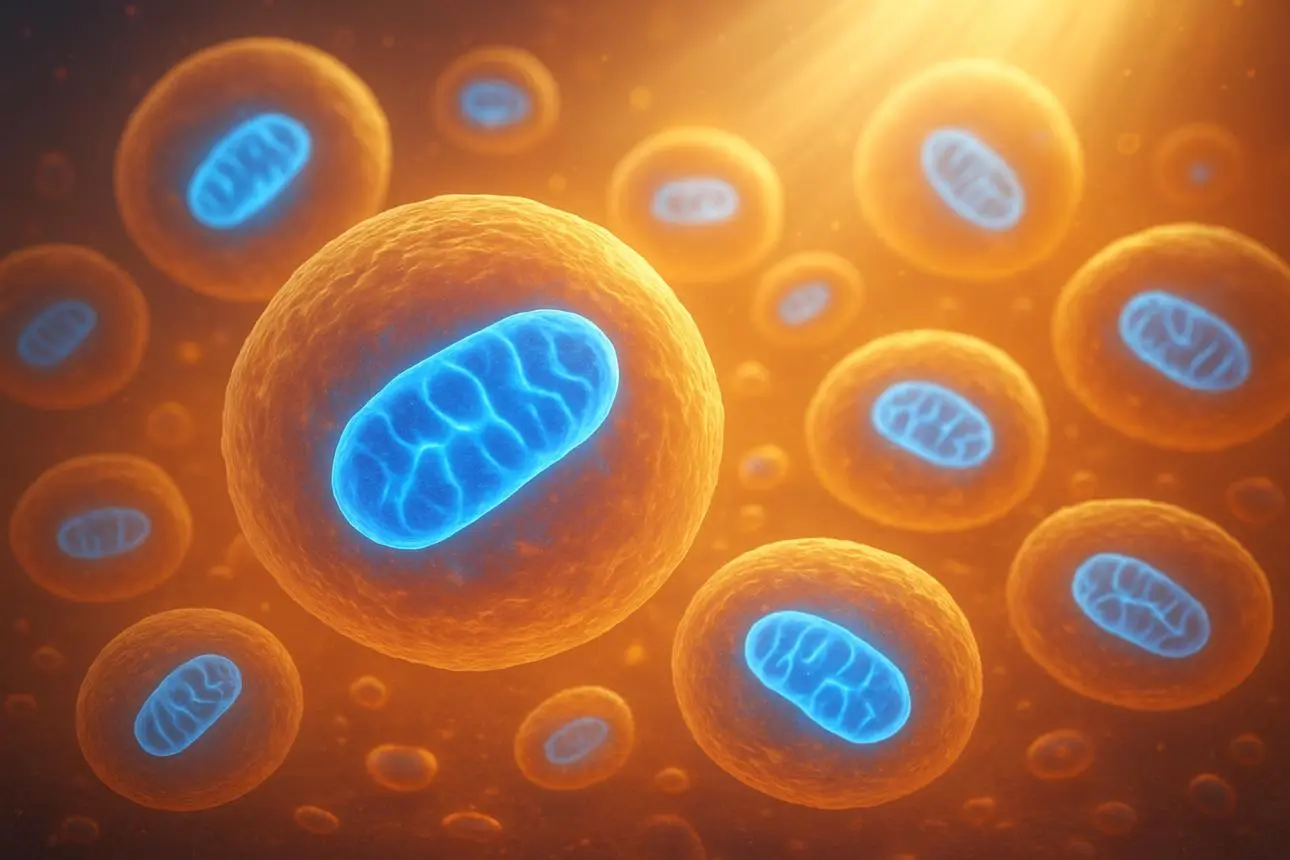
Researchers have identified several interconnected characteristics of aging, including genomic instability, cellular senescence, mitochondrial dysfunction, altered nutrient sensing, and chronic inflammation.
These processes are studied in the field of geroscience, which investigates how aging contributes to disease and declining function.
A major scientific review, Hallmarks of Aging: An Expanding Universe, published in Cell in 2023, describes 12 interconnected hallmarks of aging.
However, discovering biological mechanisms does not mean that any particular wellness routine can reverse them.
Healthy lifestyle practices can still support cardiovascular health, muscle strength, metabolic function, cognitive health, and quality of life.
3. Nutrition: Nourishing the body for longevity
What we eat influences many aspects of long-term health.
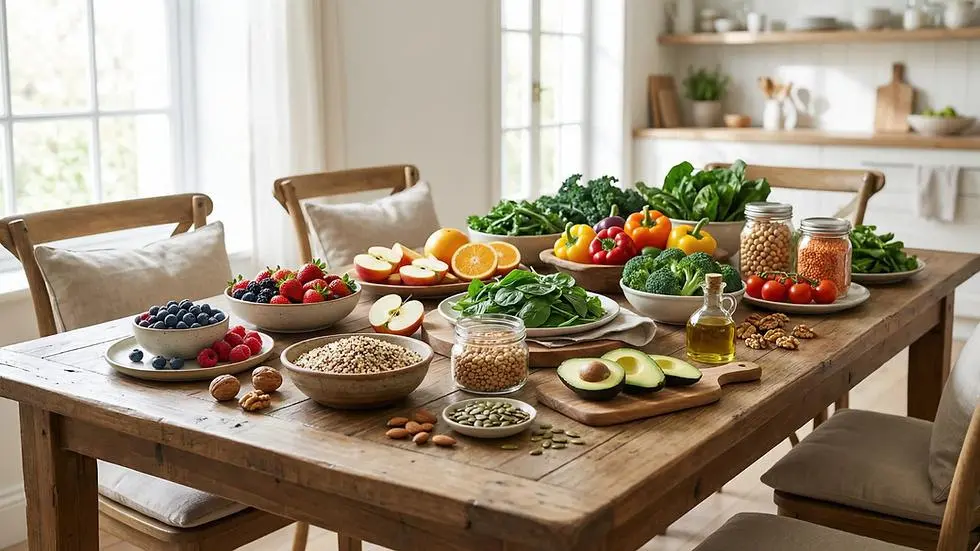
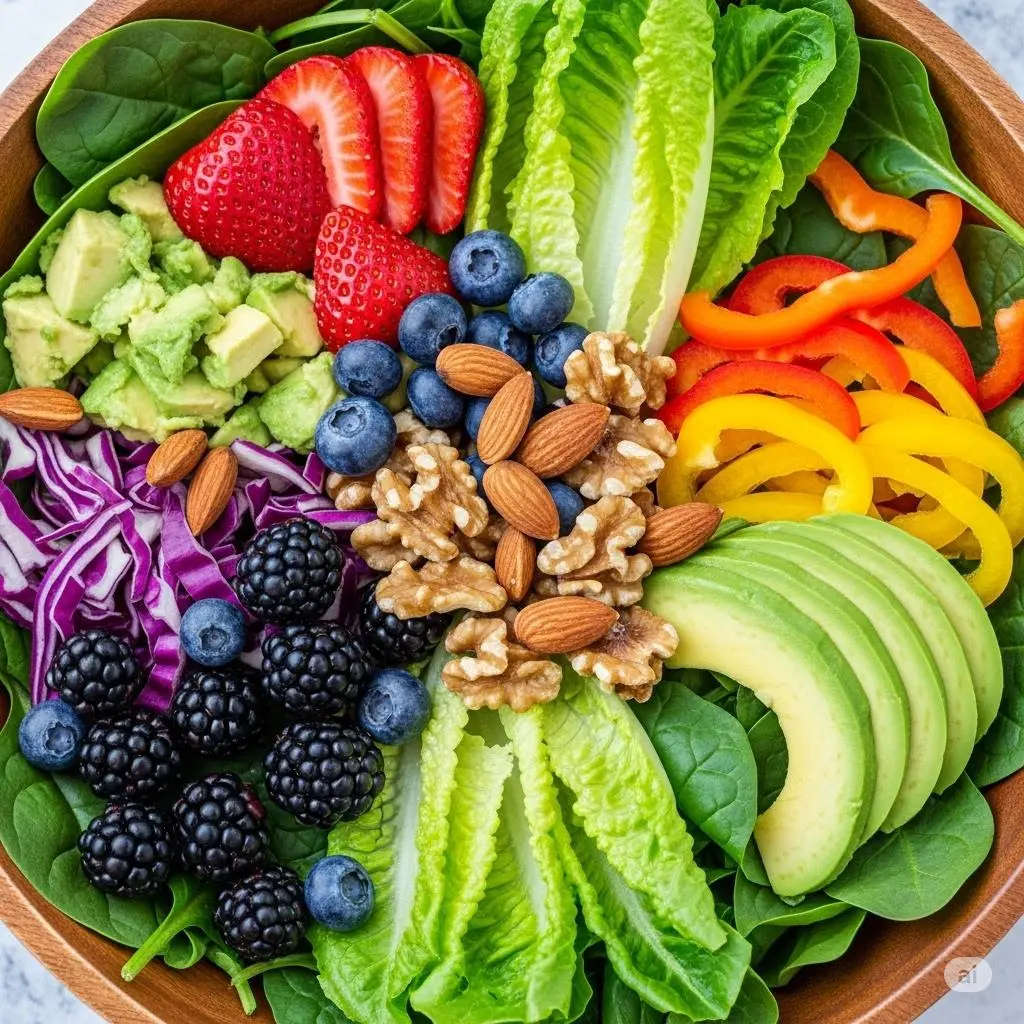
Dietary patterns rich in vegetables, fruits, legumes, whole grains, nuts, and healthy unsaturated fats are associated with better cardiovascular and metabolic outcomes.
The Mediterranean dietary pattern is among the most extensively researched approaches.
A large randomized trial, PREDIMED, found that a Mediterranean diet supplemented with extra-virgin olive oil or nuts reduced major cardiovascular events among participants at high cardiovascular risk.
Traditional systems such as Ayurveda also emphasize daily routines, food choices, and attention to individual well-being. Their historical importance can be appreciated while evaluating specific health claims through modern evidence.
For everyday life, a practical starting point is to eat a varied, nutrient-rich diet, include adequate protein, and reduce reliance on highly processed foods.
4. Movement: One of the strongest tools for healthy aging
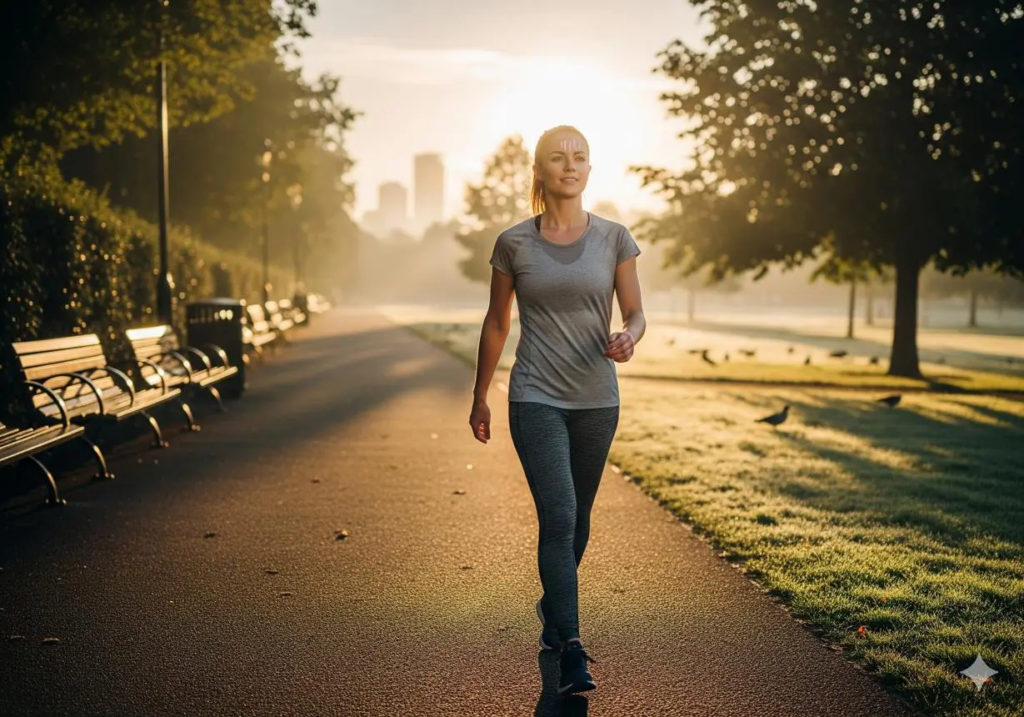
Physical activity is one of the most consistently supported strategies for maintaining health and independence as we age.
Regular exercise helps preserve muscle strength, cardiovascular fitness, mobility, balance, and metabolic health.
Research also shows that resistance training can improve muscle strength and physical function in older adults.
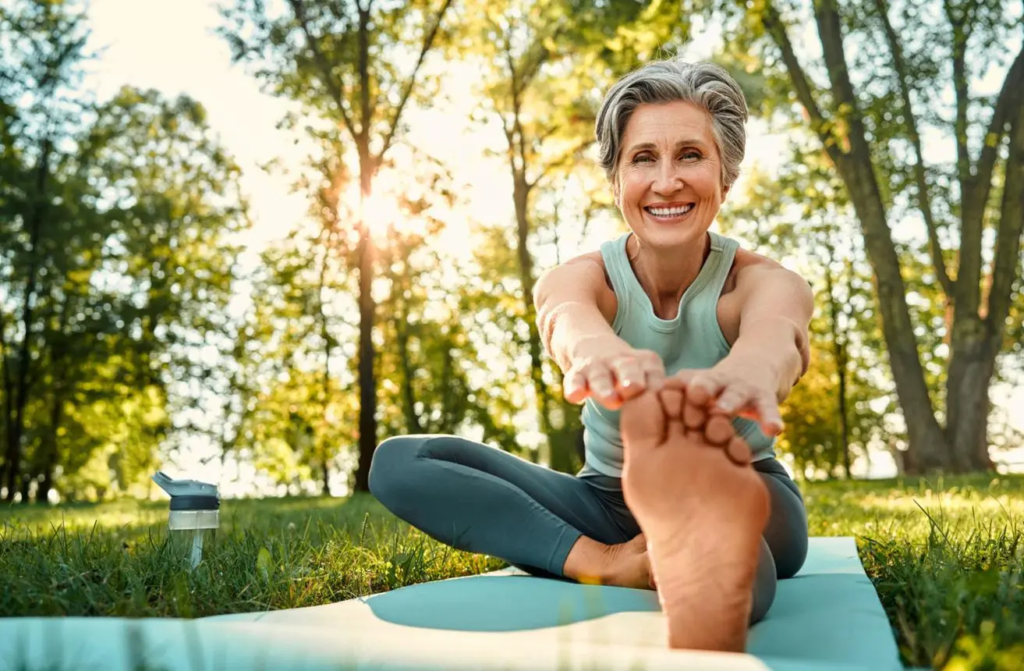
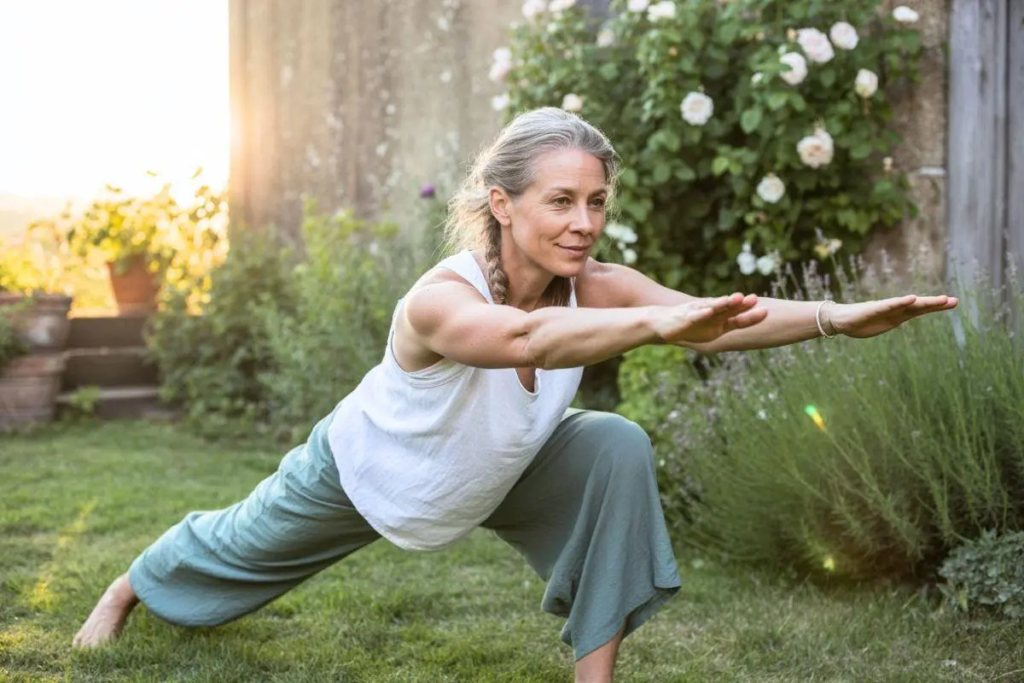
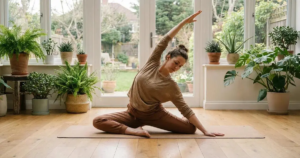
An effective routine may combine walking, strength training, balance exercises, and gentle flexibility practices such as yoga or tai chi.
The World Health Organization recommends that older adults aim for 150–300 minutes of moderate-intensity aerobic activity weekly, muscle-strengthening activities on at least two days, and multicomponent activities emphasizing balance and strength on three or more days.
These recommendations can be adapted to individual abilities and health circumstances.
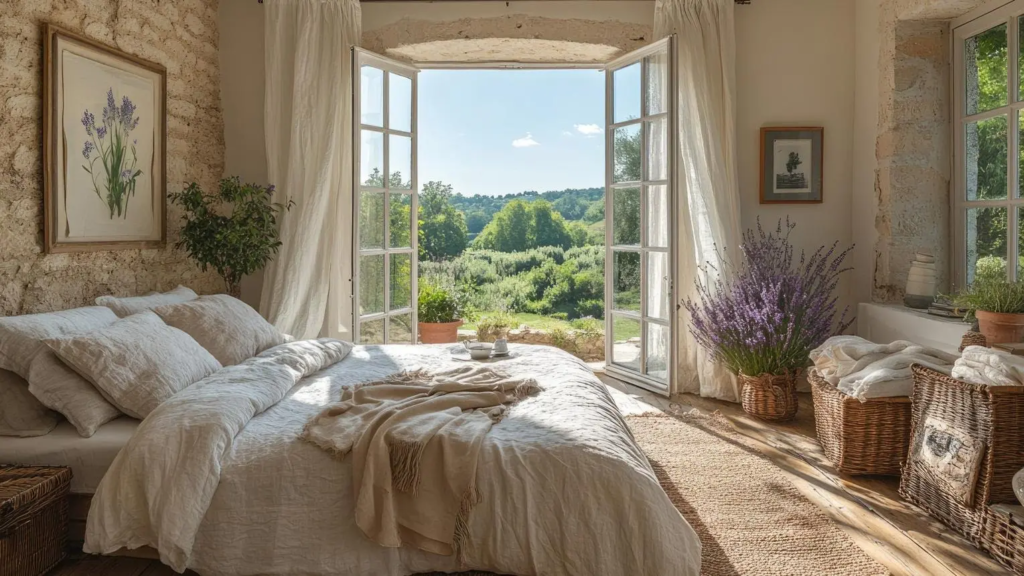
5. Sleep: The foundation of restoration
Sleep is essential for memory, emotional regulation, immune function, and physical recovery.
Chronic insufficient sleep is associated with several health risks, including cardiometabolic problems.
Sleep requirements vary, but many adults benefit from approximately seven to nine hours, with seven to eight hours commonly recommended for adults over 65.
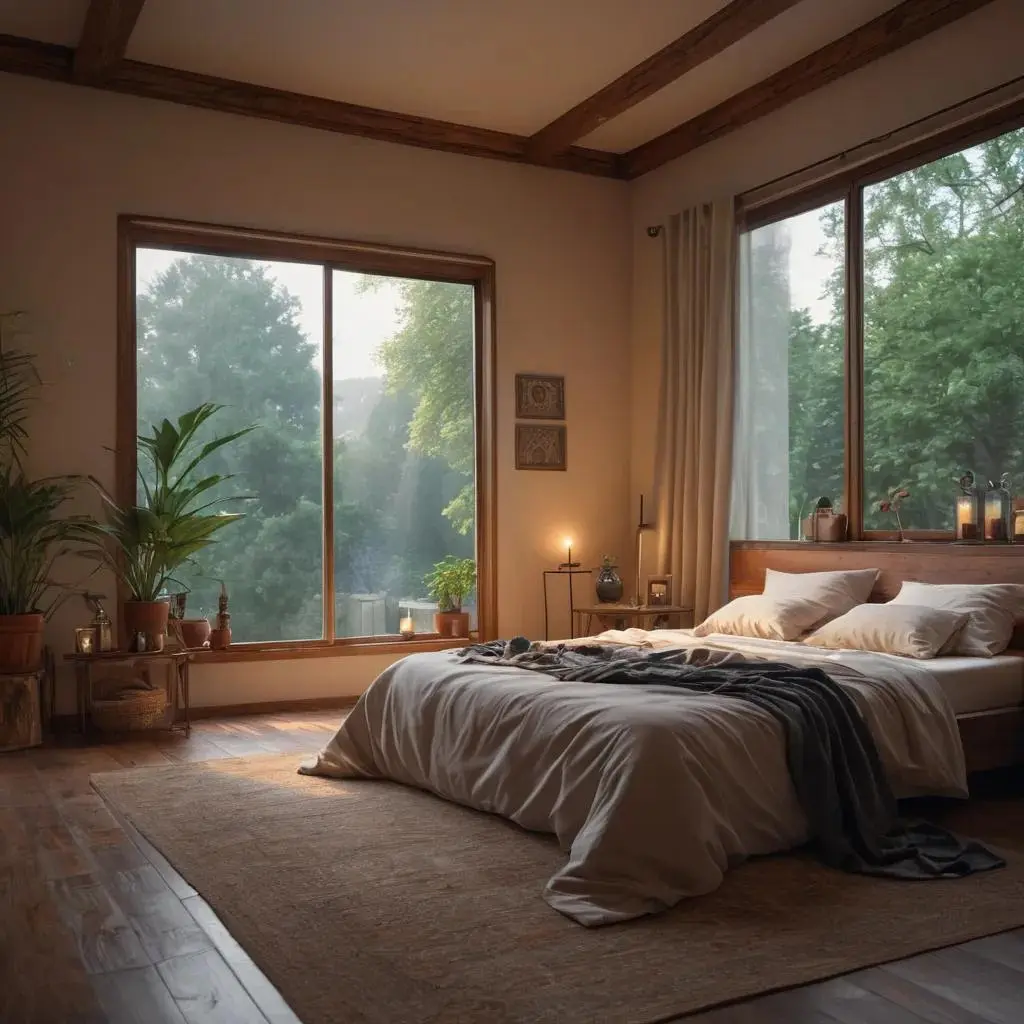
Simple practices such as maintaining regular sleep and wake times, getting morning daylight, limiting late caffeine, and creating a quiet sleeping environment may help.
Rather than treating sleep as wasted time, we can recognize it as an important part of healthy living.
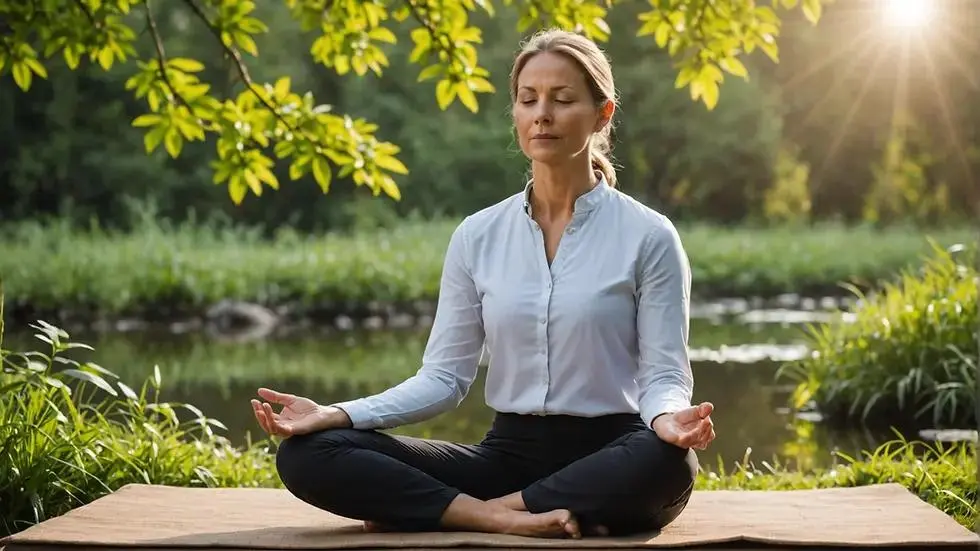
6. Meditation, stress management, and biological aging
Long-term stress can affect sleep, mood, cardiovascular health, and everyday functioning.
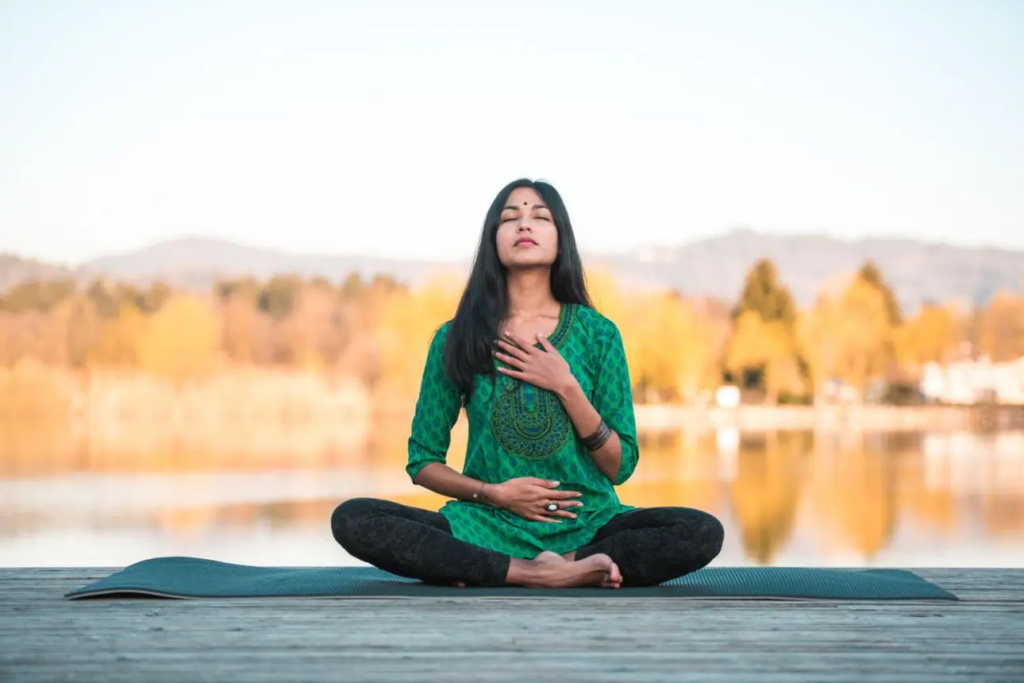
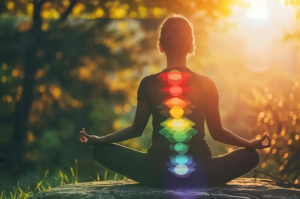
Meditation, mindfulness, breath awareness, and gentle yoga may help some people manage stress and improve emotional well-being.
Researchers have also explored whether stress reduction influences biomarkers associated with aging, including telomeres and epigenetic measures.
However, current evidence does not establish that meditation reliably reverses biological aging.
At Beyond AI Space, mindfulness is introduced as a practical tool for developing awareness, emotional balance, and healthier daily routines.
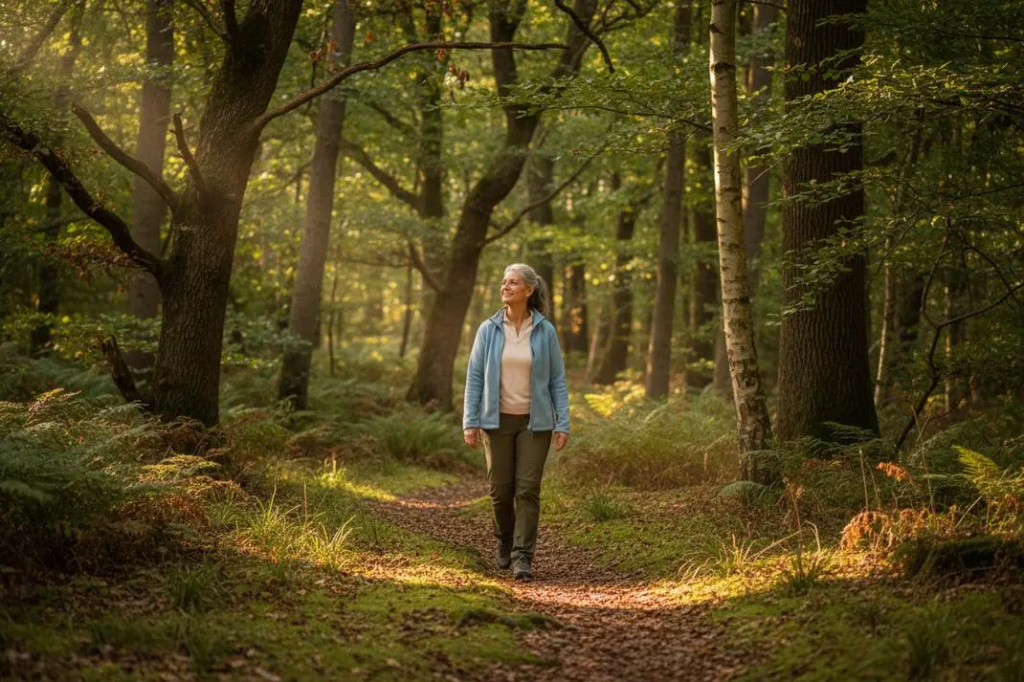
7. Nature: Reconnecting with a healthier rhythm
Spending time in natural environments may support psychological well-being and encourage physical activity.
Research on green spaces has identified associations with several positive health outcomes, although results vary and many studies cannot establish causation.
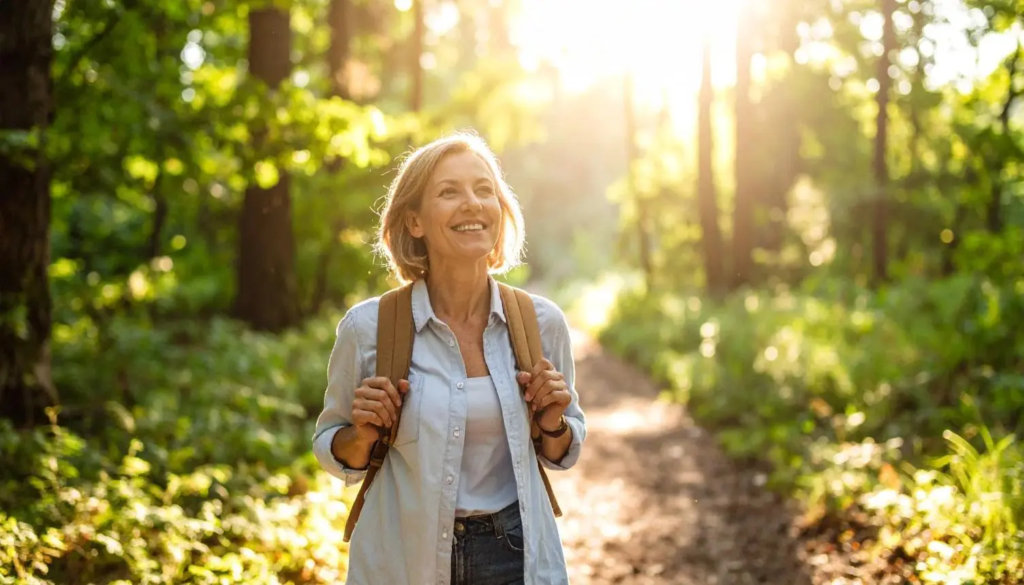
A walk through a garden, time beside a lake, or a quiet moment among trees can provide an opportunity to move, relax, and reconnect with the environment.
Nature does not stop aging, but it can be a valuable part of a sustainable wellness lifestyle.
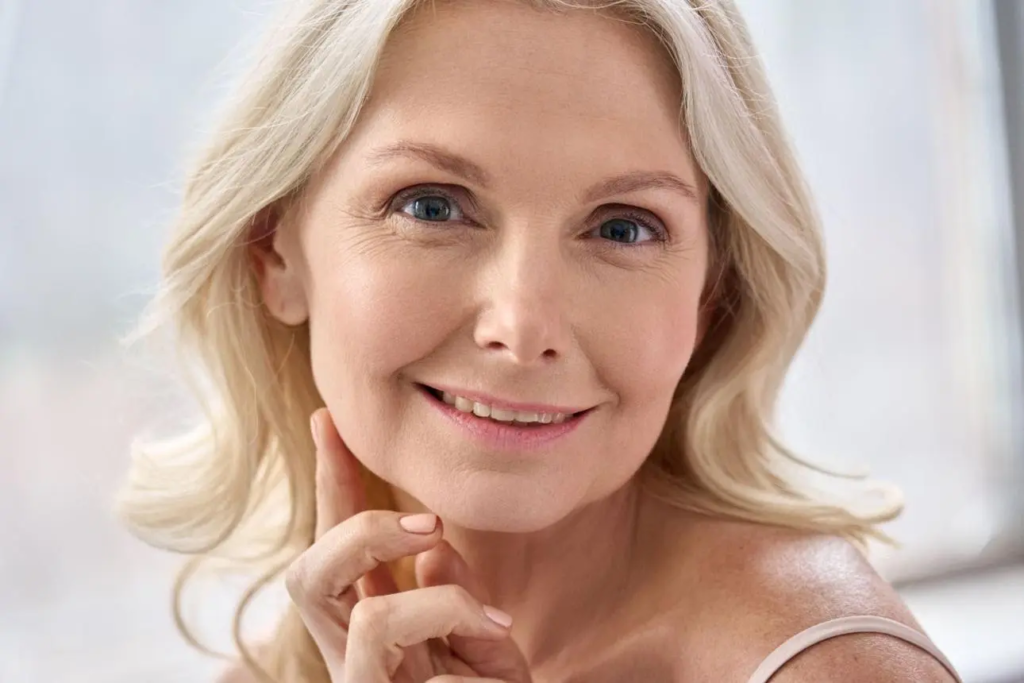
8. Healthy skin: Looking after the body from the outside
Skin naturally changes with age as collagen structure, elasticity, and moisture retention evolve.
Sun exposure is a major contributor to premature visible skin aging, including wrinkles and uneven pigmentation.
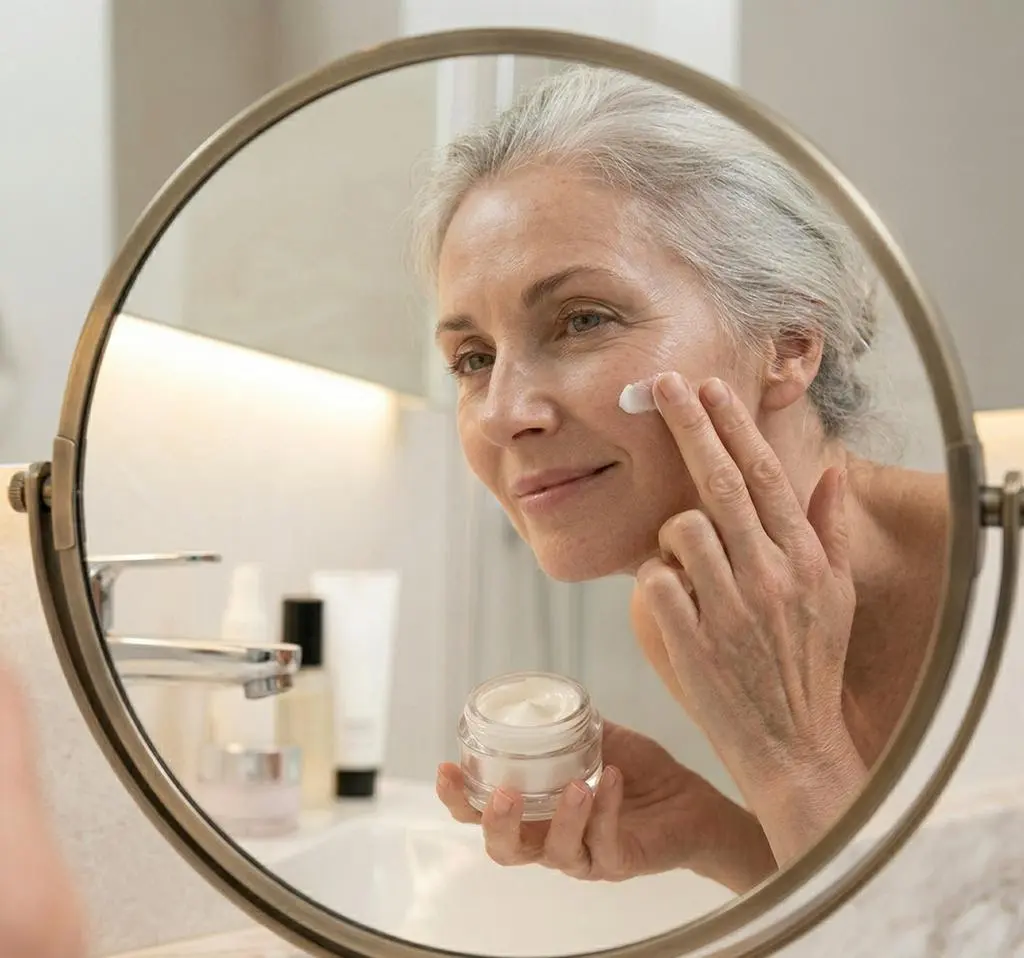
Daily sun protection, gentle skincare, sufficient sleep, and avoiding smoking can help protect skin health.
A broad-spectrum sunscreen with SPF 30 or higher is widely recommended for sun protection.
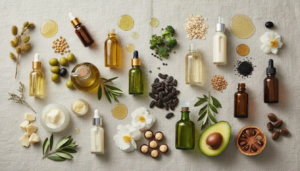
Natural skincare can be enjoyable, but natural ingredients are not automatically safer or more effective. Some essential oils and botanical extracts can cause irritation or allergic reactions.
Healthy-looking skin begins with consistent care rather than promises of instant age reversal.
9. A simple seven-day healthy-aging reset
Day 1 — Awareness
Reflect on your current habits, energy, and well-being goals
Day 2 — Nourishment
Plan balanced meals with vegetables, protein, and fiber-rich foods.
Day 3 — Movement
Explore walking, stretching, and strength-building activities suited to your ability.
Day 4 — Mindfulness
Practice ten minutes of meditation or gentle breath awareness.
Day 5 — Restorative Sleep
Create a relaxing evening routine and maintain consistent sleep times.
Day 6 — Skin & Self-Care
Practice gentle skincare, sun protection, and self-care.
Day 7 — Long-Term Alignment
Create a sustainable plan combining nutrition, movement, rest, and emotional well-being.
Seven days can be a starting point for healthier routines, but meaningful changes in physical fitness, health markers, or visible aging generally require longer-term consistency.
10. Age is a number. Vitality is something we can nurture.
Healthy aging is not about chasing an impossible ideal of eternal youth.
It is about maintaining our ability to move, think, connect, create, and enjoy life.
At Beyond AI Space, we believe the wisdom of traditional wellness practices can complement evidence-based lifestyle strategies.
Through small, consistent choices, we can support our health, confidence, and quality of life at every stage.
You cannot turn back the clock, but you can begin caring for your future self today.
Begin your journey with Beyond AI Space
Explore our Age Reverse Naturally program, designed to introduce practical healthy-aging habits through mindfulness, movement, nature-based wellness, and conscious lifestyle choices.
Visit Beyond AI Space to discover our programs.
Scientific research papers and credible references
These are the research sources I recommend adding at the end of your blog under Scientific Research & Further Reading. They strengthen the educational credibility of Beyond AI Space.
1. Hallmarks of Aging: An Expanding Universe (2023)
Cell — López-Otín and colleagues
A major scientific review describing 12 interconnected biological hallmarks of aging, including cellular senescence, mitochondrial dysfunction, and chronic inflammation. It provides a foundation for understanding modern longevity research.
Read the research paper
2. Mediterranean Diet and Cardiovascular Disease Prevention (2018)
New England Journal of Medicine — PREDIMED Trial
This influential dietary intervention study found cardiovascular benefits from Mediterranean dietary patterns supplemented with olive oil or nuts in people at elevated cardiovascular risk. The corrected publication also addresses randomization problems in the original trial.
Read the research paper
3. Resistance Training and Healthy Aging (2023)
Biological Research for Nursing
A systematic review and meta-analysis of 21 studies involving 1,610 older adults found improvements in several measures of strength, physical functioning, and mental well-being, although not all outcomes improved.
Read the research paper
4. Green Space Exposure and Health Outcomes (2018)
Environmental Research
A systematic review and meta-analysis covering 143 studies found associations between exposure to green spaces and several favorable health outcomes. The authors also noted limitations in study quality and consistency.
Read the full research paper
5. WHO Guidelines on Physical Activity and Sedentary Behaviour (2020)
World Health Organization
Evidence-based recommendations for aerobic exercise, strength training, and balance activities that support health and physical function as people age.
Read the guidelines
6. Sunscreen and Prevention of Premature Skin Aging
American Academy of Dermatology
Dermatology guidance recommending broad-spectrum SPF 30 or higher sunscreen and additional protective measures to help reduce ultraviolet damage and premature skin aging.
American Academy of Dermatology
Read the dermatology guidance